Power to the People
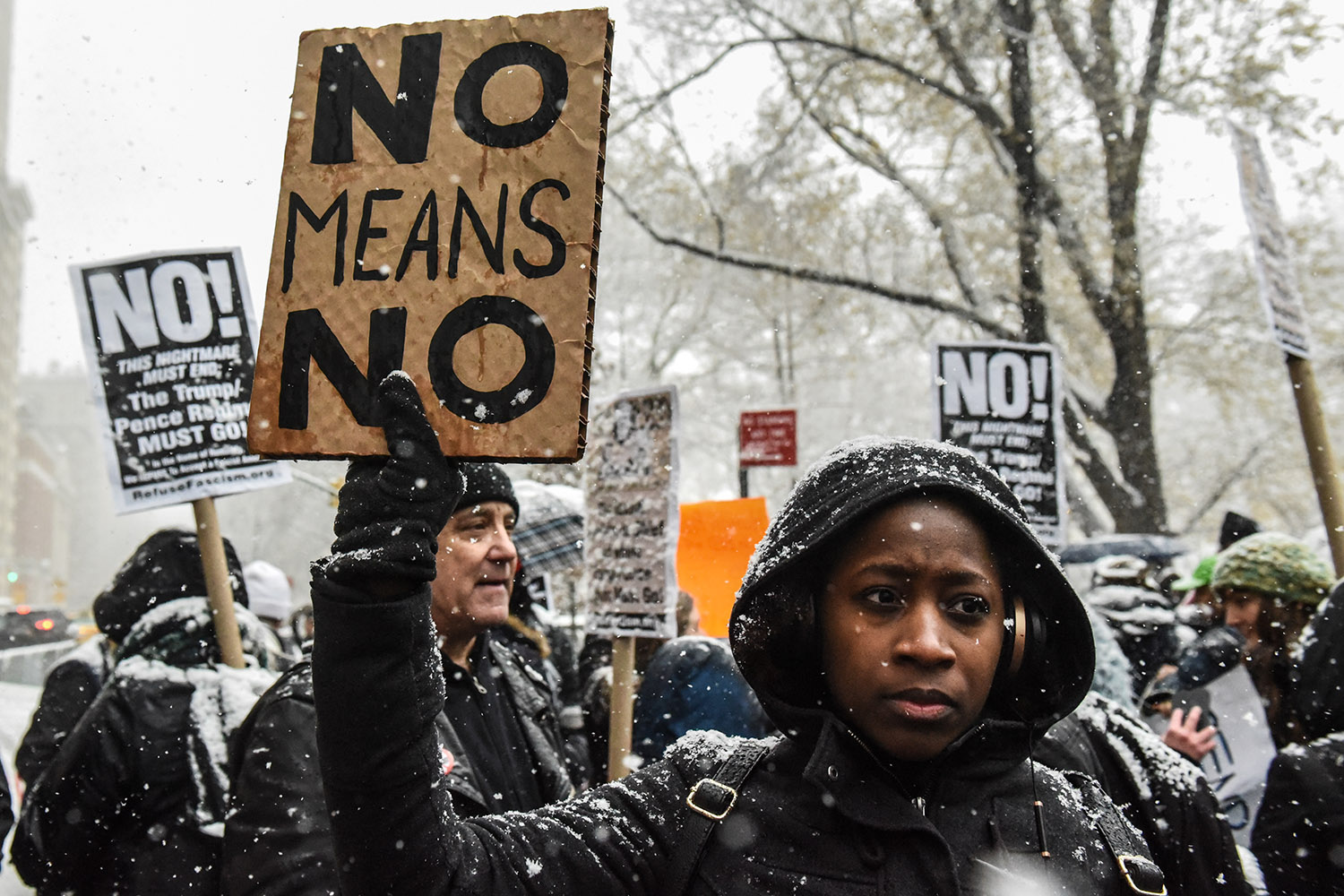
Across the globe, new political players, often from outside the mainstream, are displacing the usual suspects.
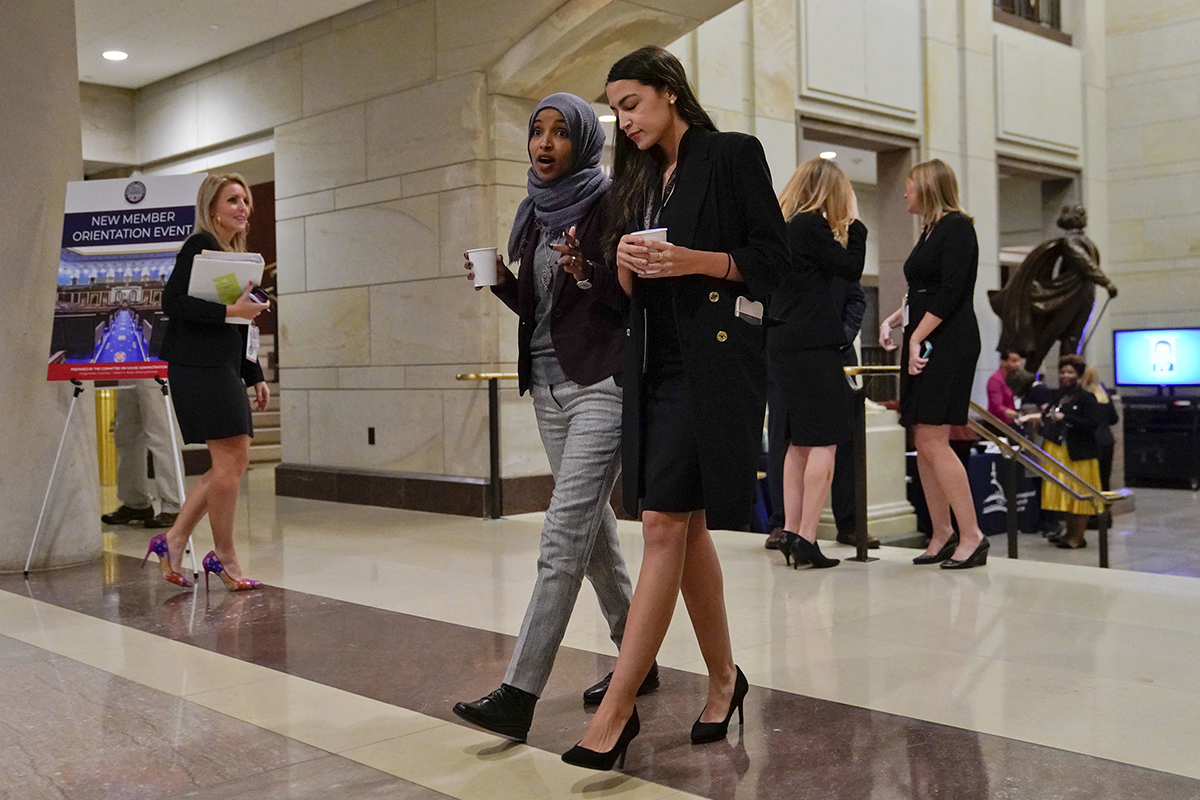
A slate of young politicians, many of them women and people of color, won seats in the U.S. House of Representatives in the 2018 midterm elections. Alexandria Ocasio-Cortez was part of that trend. The 29-year-old Latina and self-declared democratic socialist channeled popular rage triggered by Donald Trump’s presidency to defeat a white male member of the Democratic Party machine. Ocasio-Cortez—now the youngest woman to ever serve in Congress—stands at the forefront of a newly resurgent progressive movement, whose candidates are winning elections on pledges of universal health care, a federal jobs guarantee, and criminal justice reform. The wave she represents is not limited to the United States. Across the globe, new political players, often from outside the mainstream, are displacing the usual suspects. Here are a few of the politicians to keep an eye on—in the United States and around the world.
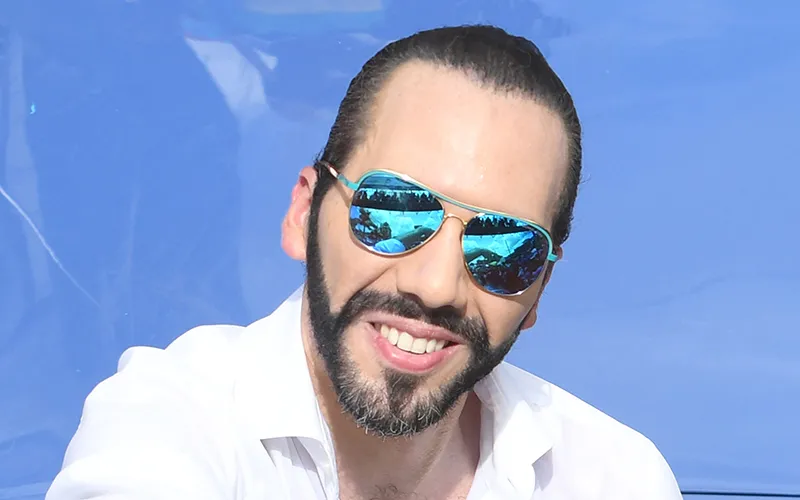
Nayib Bukele on Aug. 1, 2017. (Marvin Recinos/AFP/Getty Images)
Nayib Bukele, El Salvador
The front-runner in El Salvador’s February presidential
election, Nayib Bukele, 37, is the country’s youngest
contender for its highest office. Bukele started his run in
October 2018, when he announced his candidacy on Facebook
Live from his living room couch. If elected, he could upend
the major-party system that has dominated El Salvador for
decades. A former mayor of San Salvador, Bukele was a member
of the left-wing Farabundo Martí National Liberation Front
(FMLN) until he was expelled from the party in 2017 in part
for criticizing it on social media. After courts failed to
approve his attempt to create a new party, he joined the
small center-right Grand Alliance for National Unity, which
is now positioned to challenge both the FMLN and the
right-wing Nationalist Republican Alliance.
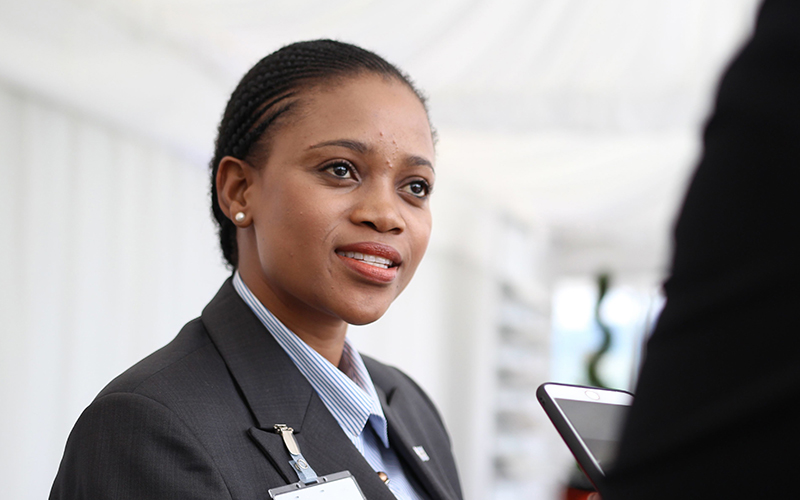
Bogolo Kenewendo on May 3, 2018. (Tobias Schreiner/AP)
Bogolo Kenewendo, Botswana
At 31, Bogolo Kenewendo is Botswana’s youngest member of
Parliament and a cabinet minister. She oversees the trade
portfolio and works on economic policy and poverty
alleviation. Before taking office, Kenewendo co-founded
Molaya Kgosi, a mentorship program for young women. She has
served as a role model for a rising generation of aspiring
female politicians and technocrats across the continent.
Grace Natalie, Indonesia
Grace Natalie, a 36-year-old former television journalist,
co-founded the Indonesian Solidarity Party in 2014 to give
young people a political voice and an alternative to
establishment and Islam-oriented parties in the world’s
third-largest democracy. Her party plans to support the
incumbent Joko Widodo, a moderate, in the 2019 presidential
election, with a message centered on transparency, human
rights, and religious and cultural pluralism. At a time when
youth participation is low, roughly two-thirds of the
party’s members are under 35.
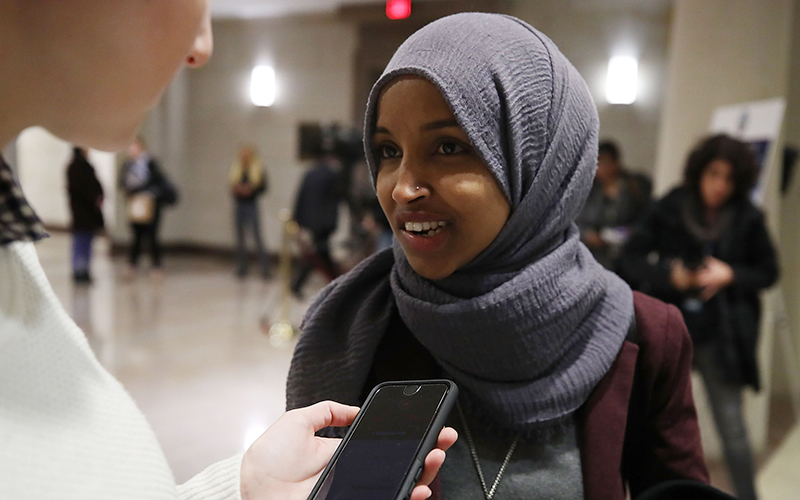
Ilhan Omar on Nov. 15, 2018. (Mark Wilson/Getty Images)
Ilhan Omar, United States
A newly elected Minnesota congresswoman, Ilhan Omar, 36, can
claim a series of firsts. She and Rashida Tlaib are the
first Muslim women to serve in Congress. Omar is also the
first to wear a headscarf and the first former refugee to
serve. (She immigrated to the United States from Somalia via
Kenya at age 12.) With the help of the Democratic
leadership, she is already pushing to overturn an 1837 ban
on wearing headwear on the House floor. Omar, who campaigned
on progressive issues such as a $15 minimum wage, has said
Trump’s “rhetoric of fear” motivated her to run.
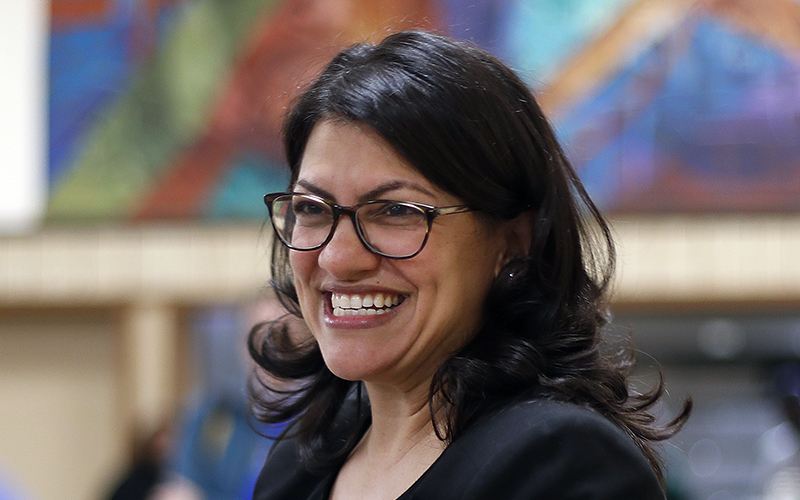
Rashida Tlaib on Oct. 26, 2018. (Paul Sancya/AP)
Rashida Tlaib, United States
Before being elected to the House in November, Rashida
Tlaib, 42, had never held national office. (She previously
spent six years representing a southwestern Detroit
constituency in the Michigan state legislature.) But she’s
no stranger to the limelight: In 2016, she made headlines
when she was thrown out of an event held at the Detroit
Economic Club for heckling then-presidential candidate
Donald Trump. As a Muslim, an avowed democratic socialist,
and the first Palestinian-American elected to Congress,
Tlaib enters the House determined to stand up to the
administration.
This article originally appeared in the Winter 2019 issue of Foreign Policy magazine